
Keeping sites compliant, efficient + safe
Waterline understands that the electrical distribution systems required to keep your site running 24/7 are extensive. They are complex and constantly changing to support the requirements of operations and future development. To maximise reliability, ensure compliance with Australian Standards and maintain safety, you need a record of how everything is currently connected and calculations, to ensure it will work effectively and safely.
We’ve delivered Power Modelling projects using PowerTools for Windows (PTW) and PowerCAD for major Australian mining asset owners and operators. Our RPEQ Engineers know what’s required to keep your site compliant and personnel safe. It’s because of our knowledge and understanding coupled with our pragmatic approach that clients collaborate with Waterline for their Power Modelling requirements. Like these clients who we’ve supported as an extension to their team. Read the difference our team can make for your site.
Waterline’s site-experienced engineers:
Our team updated the client’s:
Discover how Waterline’s solutions can bring precision and expertise to your engineering projects.
Give us a call on 1300 957 111
A power model update is a crucial process in maintaining the safety, reliability, and compliance of electrical systems, particularly within demanding environments like mining operations. It involves a comprehensive review and revision of the existing electrical system model to reflect its current "as-built" state. This ensures that all documentation accurately represents the physical infrastructure, including single-line diagrams, cable schedules, and protection settings.
The primary goal of a power model update is to identify and rectify any discrepancies between the theoretical design and the actual installation. This process typically includes detailed studies such as load flow analysis to assess cable sizing and fault levels, coordination studies to ensure protective devices operate correctly, and arc flash studies to determine potential incident energy levels, which are vital for worker safety and personal protective equipment (PPE) selection.
Mining operations are characterized by high power demands, complex electrical networks, and a constant need for operational continuity and safety. Power model updates are essential in this context because they directly address the inherent risks and operational challenges. By ensuring the electrical model is current and accurate, mining companies can prevent unexpected equipment failures, minimize downtime, and protect personnel from electrical hazards.
The rigorous Australian Standards and industry best practices, such as AS/NZS 3000, AS/NZS 3007, and IEEE 1584, mandate regular reviews and updates of electrical systems. Failing to comply can lead to significant safety incidents, costly repairs, and regulatory penalties. Waterline Projects' expertise in these standards ensures that power model updates not only meet but exceed these requirements, fostering a culture of safety and operational excellence.
The BMA Daunia Mine project presented specific challenges that necessitated a thorough power model update. The primary issue was the need for an up-to-date power model that accurately reflected the "as-built" conditions of the mine's electrical infrastructure. This often means reconciling existing documentation with the reality on the ground, which can be a complex undertaking due to the dynamic nature of mine operations.
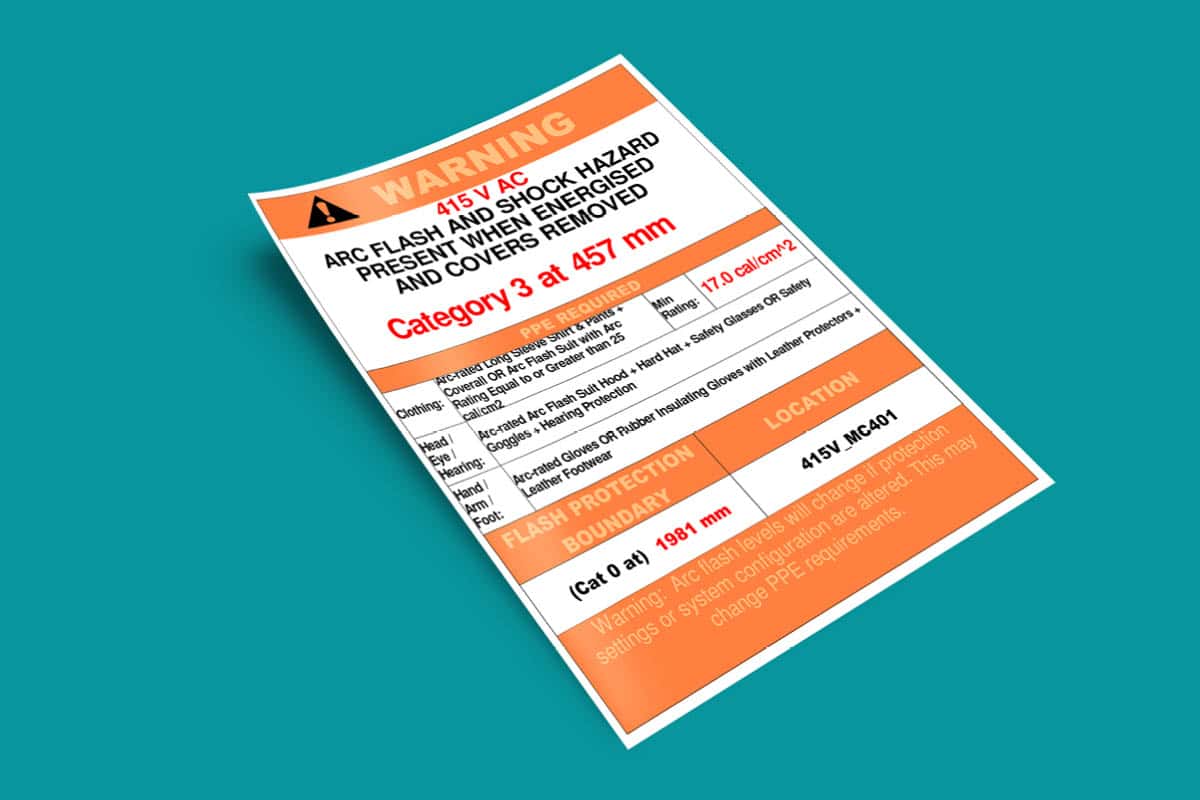
Furthermore, the project required updated Arc Flash incident energy levels and stickers, adhering to the latest IEEE 1584:2018 standard. This is critical for ensuring that personnel are aware of and protected from potential arc flash hazards. The need to verify compliance with current protection settings, cable capacities, and generator loadings also highlighted the importance of a detailed and accurate power model to prevent operational issues and ensure system integrity.
Waterline Projects deployed its team of site-experienced electrical engineers to address the identified challenges at the BMA Daunia Mine. The solution involved a systematic approach to updating the existing power model using the "as-built" documentation provided by the site, including single-line diagrams and cable schedules. This ensured the model was a true representation of the operational electrical system.
The comprehensive update included revised Arc Flash information, leading to the delivery of a detailed Power Study Report. This report highlighted areas of increased risk and provided crucial insights from Load Flow Studies (covering cable sizing, maximum demand, and fault levels), Coordination Studies, and Arc Flash Studies. By updating the power model and Arc Flash incident energy levels, Waterline Projects ensured compliance with Australian Standards and enhanced worker safety by clearly indicating the required PPE for various equipment.